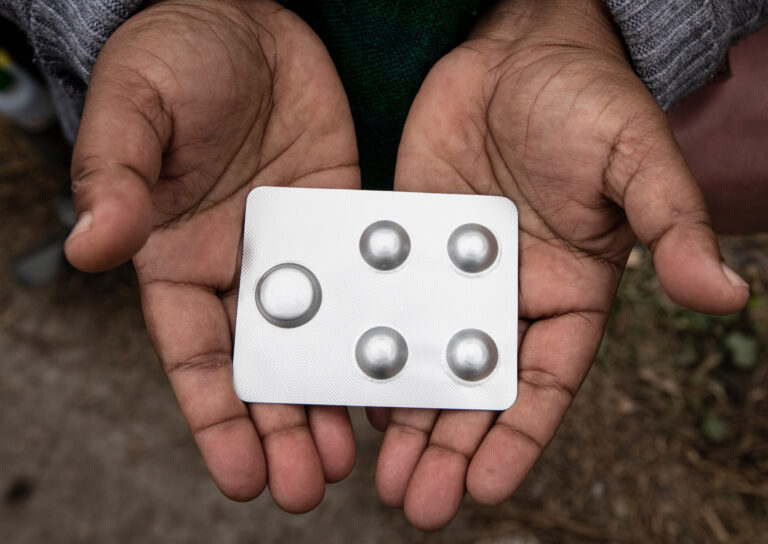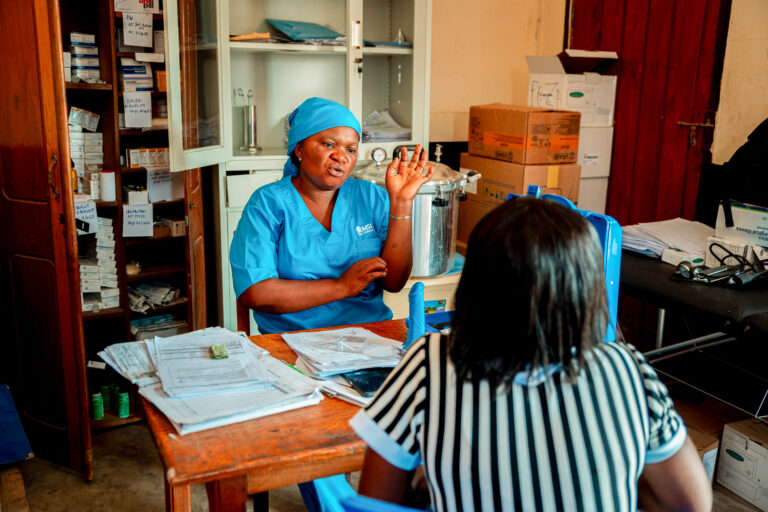

For a young person with big hopes for the future, access to contraception can be life-changing.
It can mean staying in school. Finishing an education. Avoiding an unintended pregnancy. And having the chance to make decisions about their own body, relationships and future.
But for too many young people, reproductive choice remains out of reach.
Stigma, misinformation and fear can make it difficult to ask questions about sexual health. In some places, laws and policies require parental consent, stopping young people from accessing contraception and care when they need it most.
The result is that girls and young women aged 15 to 19 are twice as likely to lack access to contraception compared to all women of reproductive age.
These barriers have serious consequences. Pregnancy can be dangerous for adolescents, and complications during pregnancy and childbirth remain the leading cause of death for adolescent girls aged 15 to 19 globally.
Why adolescent reproductive healthcare matters
When young people can access sexual and reproductive healthcare, they are better able to understand their bodies, have safe relationships, avoid unintended pregnancy and make decisions about their own futures.
Analysis from MSI Reproductive Choices found that if adolescents had better access to sexual and reproductive healthcare and could avoid unintended pregnancy, millions more girls would remain in school every year.
In 2025, your support enabled 620,000 adolescents to stay in school because they were able to get the reproductive healthcare they needed.
Reaching young people where they are
MSI teams work to bring sexual and reproductive healthcare directly to young people, in ways that feel safe, welcoming and accessible.
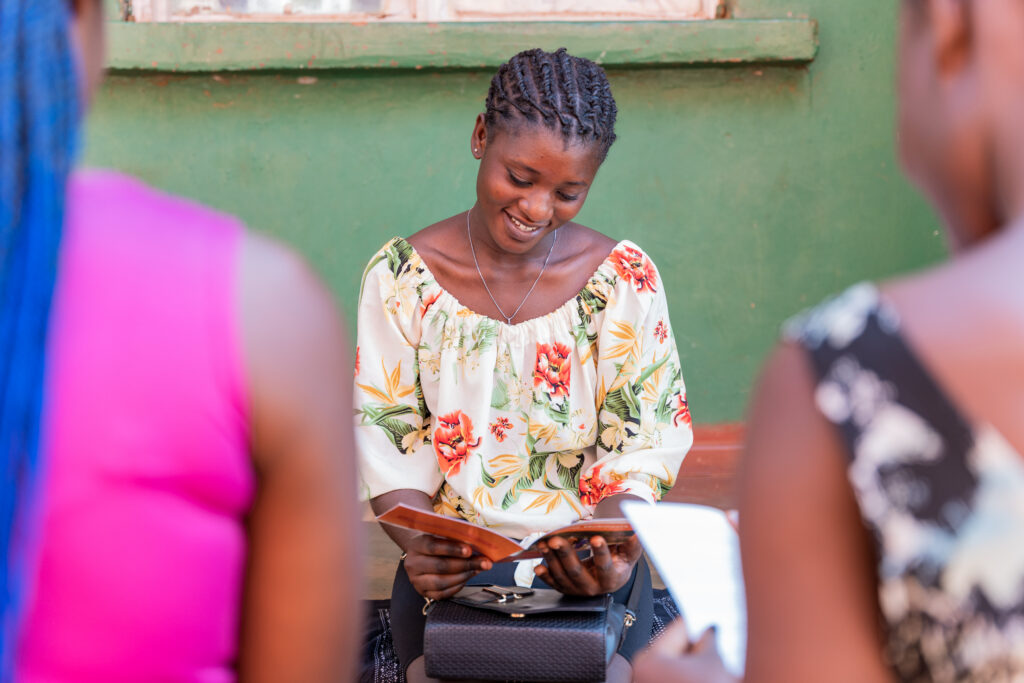
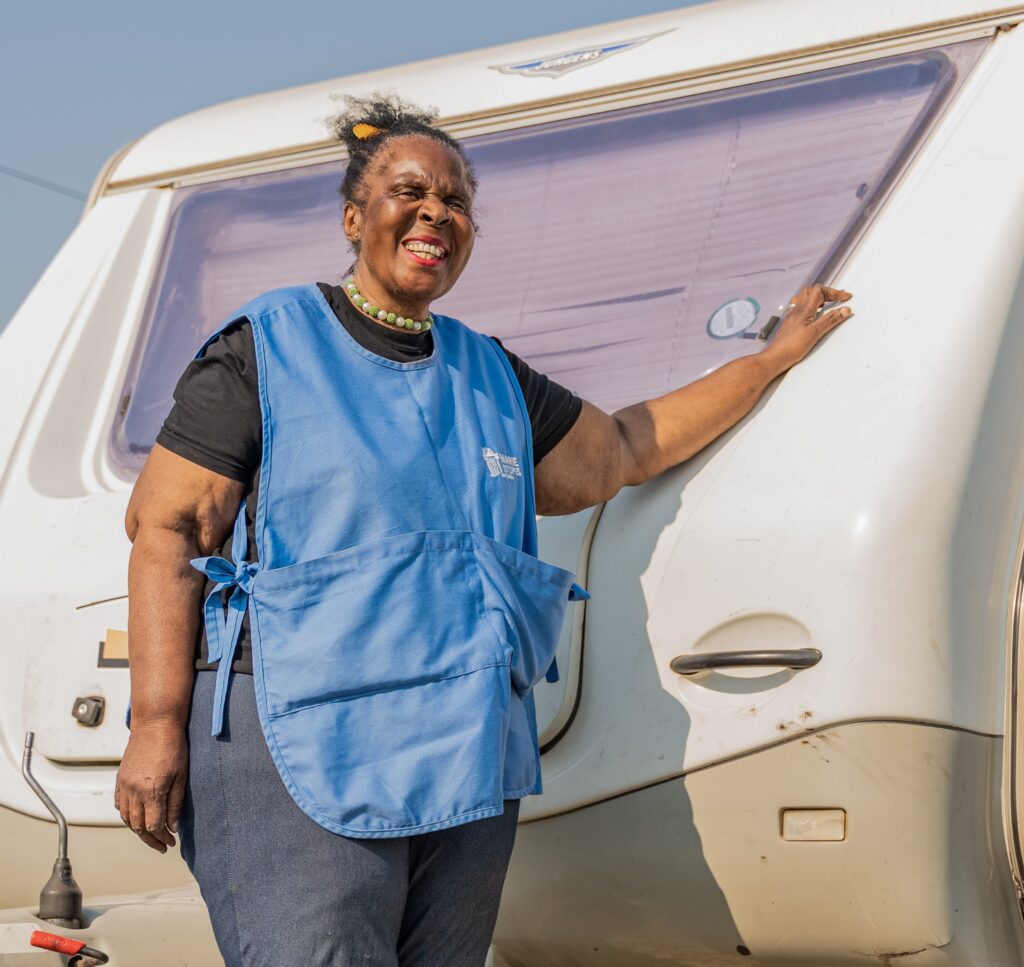
In Zambia, MSI’s mobile clinic caravans travel directly into communities to provide adolescent-friendly services. One of these mobile clinics is the Diva Caravan, a “youth space on wheels” with a counselling space and procedure room built into the caravan. It can be brought into different neighbourhoods to reach adolescents wherever they are.
Maureen’s story
In 2021, Maureen, an 18-year-old student in Zambia, visited one of MSI Zambia’s mobile clinic caravans. After a consultation with an MSI provider, she chose to access an IUD.
For Maureen, the caravan made it easier to seek support. She told us that accessing information and services there “was much easier, as there were other young people there that were a similar age, and the staff were welcoming and friendly.”
Maureen knows what access to contraception can mean for young people and their futures.
“Young people have big dreams. With the help of contraception, they can achieve their goals.”
Supporting choice, education and opportunity
Adolescent-friendly reproductive healthcare gives young people the information, services and support they need to make decisions about their lives.
When young people can access contraception and care without fear, stigma or judgement, they are better able to stay in school, pursue their goals and determine their own futures.