For many years, women and girls with disabilities in Bayara, a rural community in Bauchi State, Nigeria, were left out of conversations about their own bodies. Because of limited mobility, stigma, and being overlooked by health programmes, many had never received basic information about reproductive health.
In Nigeria, more than 30 million people are estimated to live with a disability. Yet for many women with disabilities, reproductive healthcare is still out of reach.
That began to change when MSI Nigeria brought family planning services directly to Bayara.
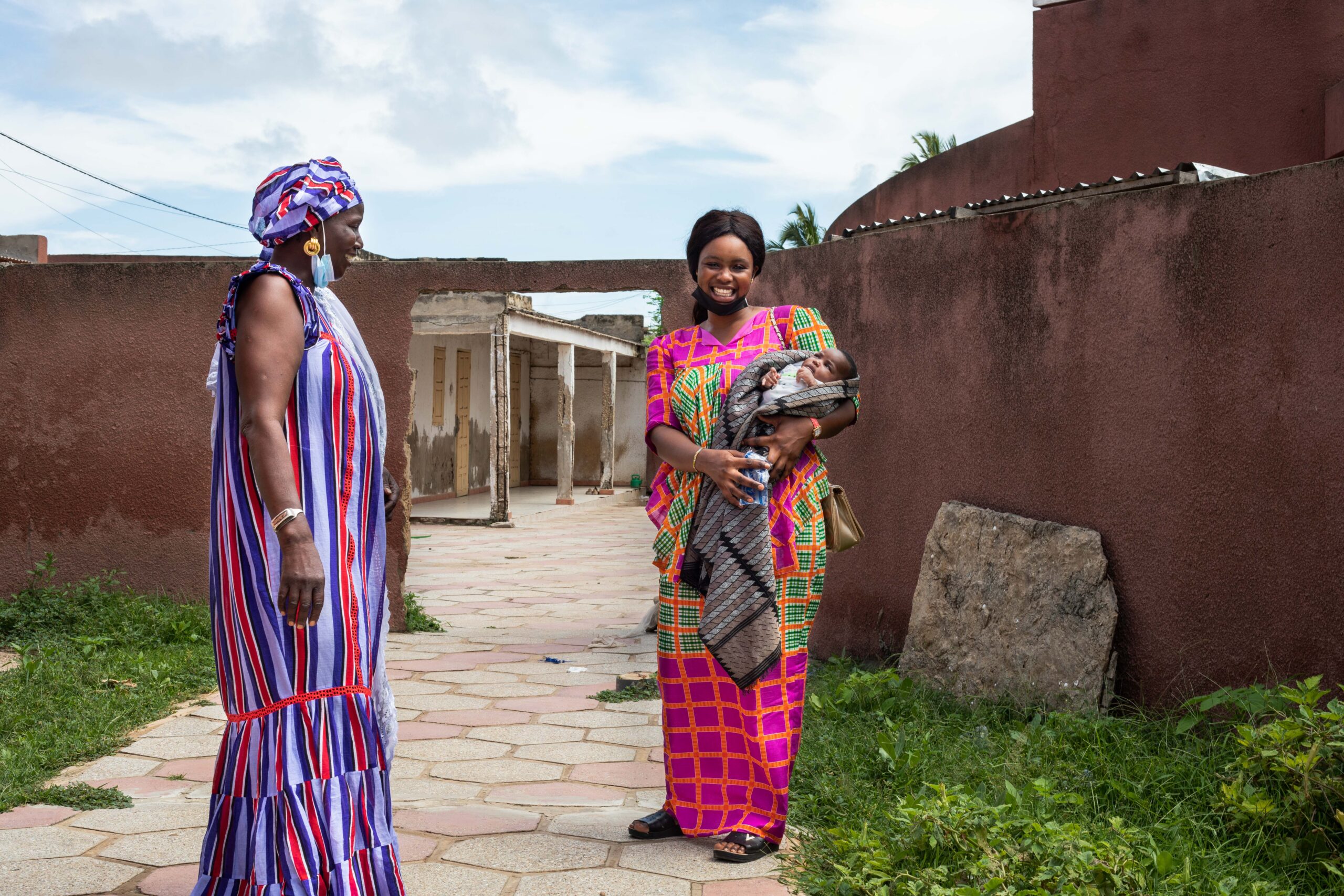
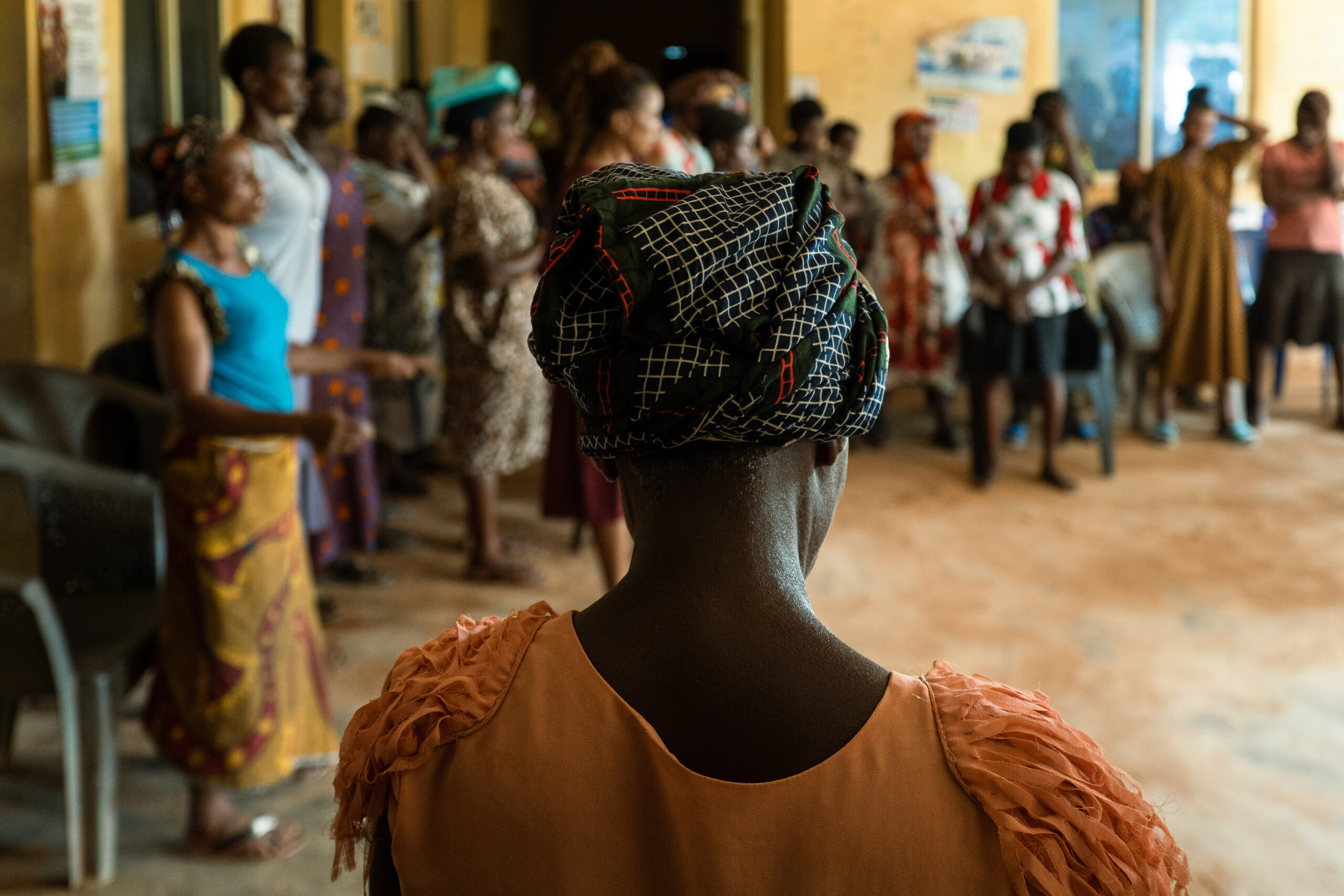
Through the MSI Ladies, a group of trained female community providers, counselling and contraception were shared in homes and community spaces. Women with disabilities were welcomed into a space created for them, where they felt safe, respected, and included.
For many women, this was the first time anyone had asked about their reproductive health needs.
As the conversations continued, women began to feel more confident. Myths were cleared up. Fears were eased. Many realised that this care was meant for them too.
Hajiya Asmau, one of the participants, shared what the visit meant to her:
“For years, we have been forgotten. People see our disabilities but not our potential. Today, MSI Nigeria listened to us and showed us that our issues also matter.”
Her words reflected the feeling in the room. Women left with clear information, dignity, and the confidence to seek care and make choices for themselves.
By bringing services directly to underserved communities, including people with disabilities, MSI Nigeria is removing barriers that have denied choice for too long. This work shows a clear commitment. No one should be denied contraception because of disability, gender, age, or income.
And it is support from people like you that makes this possible, helping choice reach those who have been left out for generations.