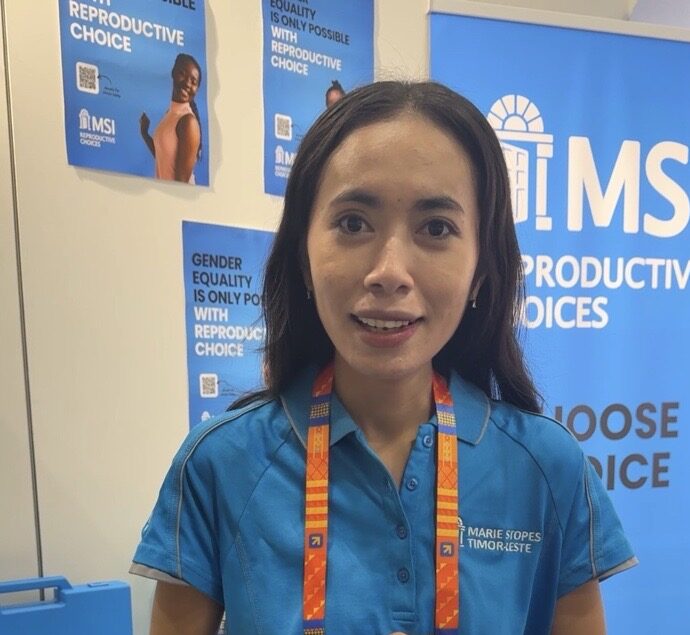
Dr Petronela Ribeiro, clinic doctor at MSI Timor Leste, grew up in Dili, in a country still finding its path.
Timor-Leste is one of the youngest nations in the world, and much of its health system is still being rebuilt after years of conflict. For Petronela, that reality shaped both her ambition and her sense of purpose from an early age.
“My grandmother passed away because of health issues,” she says. “Later, my brother also had medical problems. That’s why I wanted to be someone who can help.”
At the time, opportunities to study medicine in Timor-Leste were limited. There was only one medical school, and places were highly competitive.
With the support of her parents, Petronela studied in Indonesia, adapting to a different system. While many of her peers chose to stay overseas, returning home was never a question for her.
“In Timor-Leste, due to the conflict, there are not enough health providers,” she says. “I wanted to give something back to my country. That’s why I came back.”
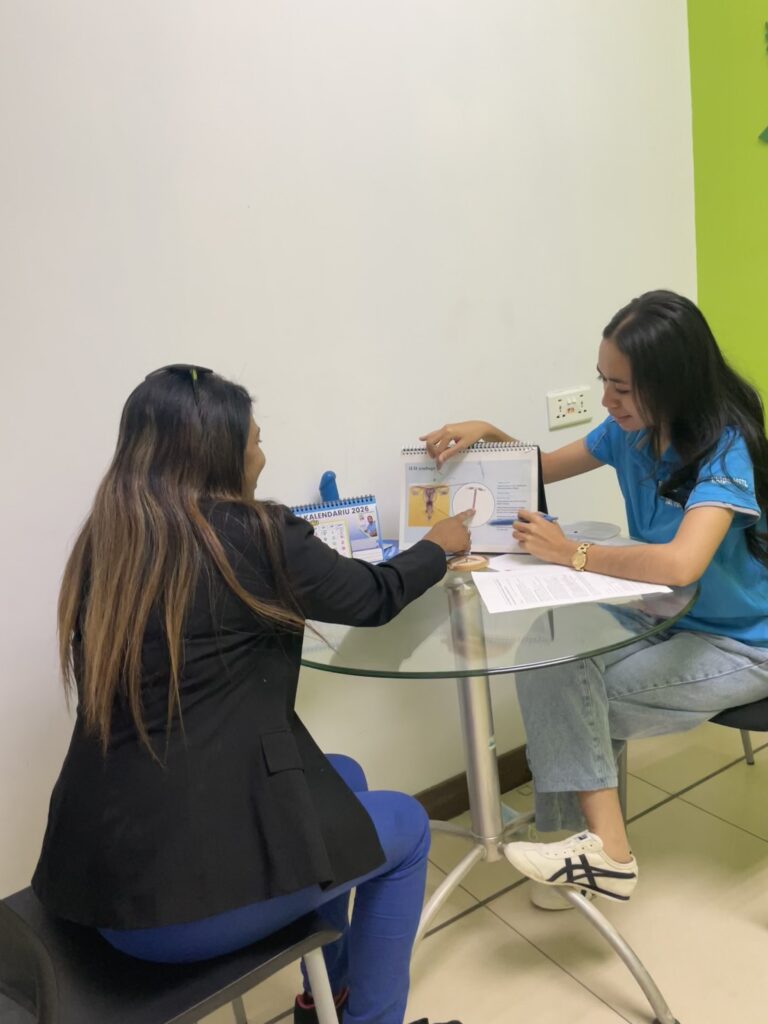
Today, Petronela works as an MSI clinic doctor in Dili – a role she was drawn to because of its focus on women’s health and its approach to respectful, accessible care.
“I have always been interested in reproductive health and when I joined MSI, it felt like a calling,” she says and smiles.
Her days in the clinic are intense: “Many patients, many questions.”
But the work is not only about diagnosis or treatment. It begins with understanding.
“Women come with a lot in their minds,” she explains. “Stories and information from neighbours, from family, from the community – and not all of it is correct.”
One of the most common misconceptions is that contraception leads to infertility.
“We really have to fight this,” she says. “Many women want to plan their families, want to go back to work, or study, but they are afraid they won’t be able to have children later.”
Others hesitate to seek care at all, worried about being judged if they are seen visiting the clinic. That hesitation can delay care, sometimes until health issues become more complex.
For Petronela and her colleagues, this is where their work begins.
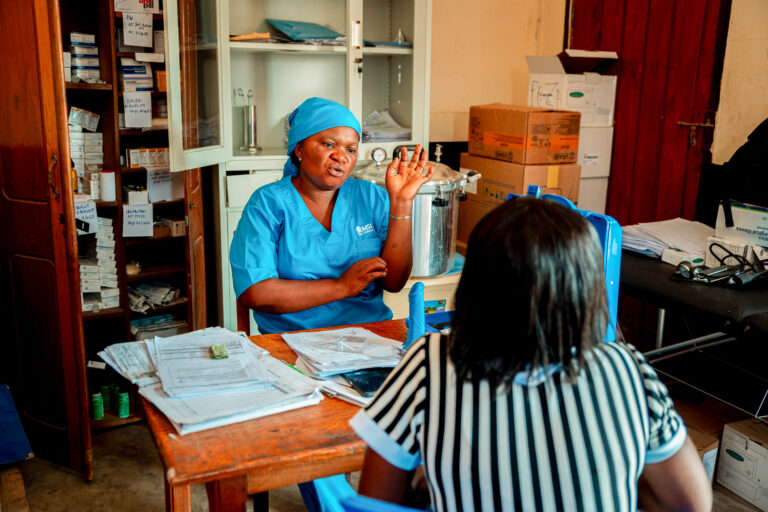
“We observe our clients carefully,” she says. “We try to read them – to understand what they are worried about, even if they don’t say it directly.”
It’s a client-centred approach that is central to MSI’s model of care.
“We make sure they feel comfortable. We listen, we explain clearly, and we reassure them everything is confidential. Then we support them to make their own choices.”
One patient, in particular, stayed with her.
“She had one child and wanted to wait before having another,” Petronela recalls. “But because of what she had heard, she delayed coming.”
During the consultation, they worked through her concerns step by step.
“When she understood her options and felt she wasn’t judged, her whole body changed,” Petronela says. “She became more confident and said, ‘I should have come earlier.’”

For Petronela, moments like this show how not having access to care can affect women’s health – and why trusted services matter.
In Timor Leste, that access remains one of the biggest challenges, particularly outside urban areas.
Petronela has travelled with outreach teams to rural communities, where conditions can be difficult and unpredictable.
“The roads can be very dangerous,” she says. “Sometimes, when it rains, it is not possible at all to travel.”
Teams carry essential equipment, travelling long distances in four-wheel drives to reach communities that would otherwise have no access to services.
“I cannot imagine how women could travel on their own in these areas,” she says. “It is not safe, even during the day.”
“In many rural areas, there is no internet, no access to information at all,” she explains. “And when there is access, sometimes it is the wrong information.”
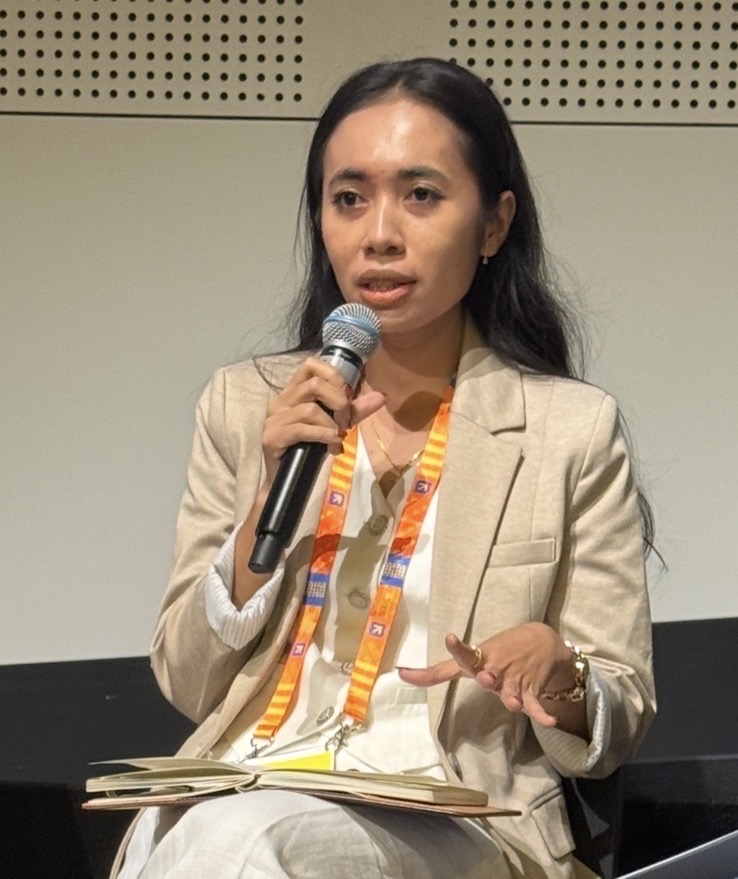
Alongside her clinical work, Petronela is also focused on improving quality of care. “We are always discussing how to raise our clinical standards,” she says. “How to improve our services and provide better care.”
In a young health system, this work is essential.
“I think women’s health is a foundation for a country,” she says. “As women, we need to be supported.”
That means investing not only in services, but in people.
“We need more well-trained providers,” she says. “We need to strengthen our health system and support healthcare workers with training. We need more MSI.”
For Petronela, her work is deeply meaningful.
“I was always interested in this field,” she says. “But now I know why I am doing this work. It truly is my calling.”